If you're a big fan of Sony's , you may have been a bit worried that the new remastered version would just be too much for your gaming PC, especially handheld devices. That last aspect hasn't been helped by the fact that , but having played HZDR on an ROG Ally X, I'm pretty sure that it'll be fine on the Steam Deck.
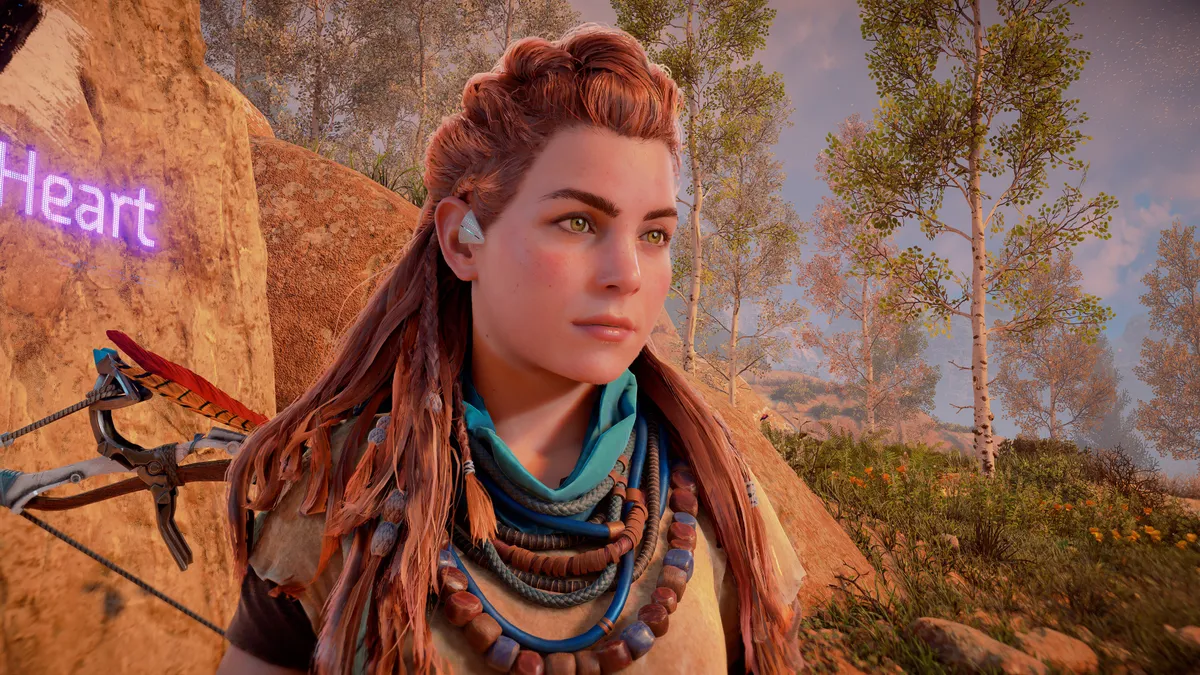
Guerrilla Games, the developers behind Horizon Zero Dawn, has pulled out all the stops with its remaster, with the help of Nixxes Software for the PC port. Sure, it's still exactly the same game (it's not a remake) but the original's graphics look a little bit second-tier compared to what has to offer.
Weighing in at 105 GB, the remaster is 33 GB larger than the first PC port of Horizon Zero Dawn. It's not just a whole stack of better textures—the characters and environments have been rejigged to be much Yono all app richer in appearance, while still true to the original.
The larger cities are especially nice in the remaster and they look far more like what you'd expect in a world that nature has reclaimed much of. If, like me, you've
played the
original game an awful lot, much will look familiar but certain aspects will feel noticeably altered—the same furniture, so to speak, but somewhat rearranged.
I've not delved into all the regions yet, but initial impressions are very encouraging and the machines look fantastic with maximum quality settings.


Of course, all of the added visual goodies come at a cost and if you go all out the quality settings, you'll be faced with quite a dint in performance. Fortunately, you've got upscaling and frame generation to claw some of the frames back. Where the first Horizon Zero Dawn just had FSR 2 and DLSS, you've now got the latest version Yono all app of AMD, Intel, and Nvidia's systems.
In the case of FSR, that means you get AMD's shader-based frame interpolater and best of all, it's the version that's decoupled from the upscaler. So if you have an Nvidia graphics card that can run the game, you'll be able to use upscaling and frame generation, even if it's not an RTX card or an RTX 40-series model.

With the , I'd get around 42 fps on average in gameplay using the 'Original' quality preset (aka Low quality) and no upscaling. In the remaster, the handheld only achieves around 25 fps with the Low preset and 30 fps with Very Low.
But slap on a bit of FSR Balanced upscaling and frame generation, and you almost get 60 fps with the Low quality preset. Even the 1% low frame rates are over 30 fps.
It's not all perfect, though. Some of the character models seem to have a bit too much of a light glow around them and while surface reflections are better, they're still screen space ones, which can lead to some funky visuals at times. And not every texture appears to be better, too.
What you don't get is the rather variable performance of the original. The remaster seems a lot more consistent, no doubt helped by Yono all app Nixxes' work in managing shader compilation and asset streaming.

: What's the best travel buddy?
: Our verdict on Valve's handheld.
: Get decked out.
: What's the real battery life?
On my main PC, with a Core i7 14700KF and an RTX 4080 Super, the game runs extremely well with DLSS Quality enabled, though it's only right that I should point out I've not tested many areas yet.
While I don't have a on hand to test whether the game runs fine, there are enough options within Horizon Zero Dawn Remastered to ensure that most PC platforms are covered.
You'll probably need to use the Low or Very Low preset, along with a fair bit of FSR upscaling and frame generation, but as the game isn't fast-paced and frantic, the added input lag from using interpolation shouldn't be an issue.
Sony, Guerrilla Games, et al have done sterling work to make this remaster the best version of Horizon Zero Dawn it could possibly be, short of a full remake.